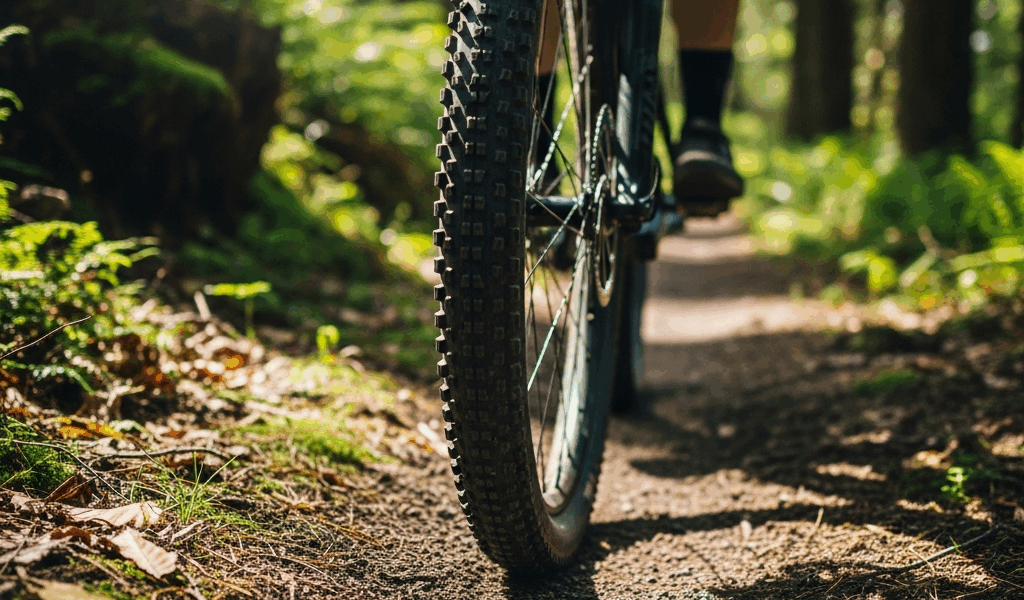
Leave No Trace ethics have gotten a lot of lip service in the mountain biking world, but actual trail behavior tells a different story in a lot of places. As someone who’s watched what happens to trails that get loved without any reciprocal care from riders, I’ve learned that LNT isn’t just hiker philosophy — it’s the specific framework that keeps trails open, keeps land managers willing to build more trails, and keeps the sport from destroying the very thing that makes it worth doing.
Stay on Designated Trails
The single most impactful thing any rider can do is stay on trails open to bikes and ride the established trail surface. Cutting switchbacks, riding around wet or damaged sections, and creating social trails might feel like small decisions in the moment, but at scale they destroy the drainage and erosion control that trail builders put into every section of sustainable singletrack.
When a trail is wet and churned up, staying on the established surface — even through the muck — is better for the trail long-term than riding around the wet section and widening the footprint. If the trail is so damaged that riding it would cause significant additional harm, turn around. Choosing not to ride on a bad day is part of trail stewardship, not a failure to get your session in.
Soil Conditions and When Not to Ride
Wet soil is the enemy of trail sustainability. When the ground is saturated, tire traction excavates the surface, deepens ruts, and causes damage that takes months to recover from. The practical rule: if your tires are leaving ruts deeper than half an inch, the trail is too wet to ride. That’s it. That’s the test.
Clay soils are particularly vulnerable — they compress and deform when wet but hold water for days after rain. Rocky soils drain faster. Know your local trail types and their typical dry-out times. Most trail advocacy groups post conditions updates after significant rain. Checking takes 30 seconds and saves weeks of erosion recovery. I’m apparently someone who actually checks before driving out, which puts me in a small minority based on what I see at trailheads after a rainstorm.
Wildlife and Habitat Awareness
Moving fast through natural environments at bike speeds means you’re encountering wildlife with less warning than a slow hiker would provide. Slowing down on blind corners, calling out your presence around low-visibility curves, and knowing about nesting season restrictions in your local area reduces wildlife disturbance in real ways.
Some trails are closed seasonally for nesting raptor protection, elk calving, or other wildlife management reasons. These closures feel inconvenient. They’re also the result of land managers trying to maintain wildlife populations in landscapes that are increasingly fragmented by human recreation. Respecting them is part of the longer-term social contract that keeps trails open at all.
Pack Out Everything You Bring In
Gel wrappers, CO2 cartridges, broken chain links, energy bar packaging — all of it goes back with you. Carry a small pocket or handlebar bag specifically for trash accumulation during rides. Taking 30 seconds to pick up trash left by others is the extra credit that keeps trail corridors clean and keeps other user groups from pointing to bikers as the ones making trails worse.
Trail Access Is Earned Through Behavior
That’s what makes responsible trail use endearing to those of us who care about long-term access — every decision a land manager makes about bike access is influenced by the cumulative behavior of riders on that land. Riders who ignore closures, damage wet trails, and ride on hiking-only trails give land managers documented evidence for restricting access. Riders who demonstrate responsible use, show up for trail days, and advocate constructively build the political capital that opens new trails.
Trail access has expanded significantly in many areas over the past 15 years — and contracted in others, mostly along the lines of how user groups have behaved. Your behavior on the trail is part of that larger conversation whether you’re thinking about it or not.


Stay in the loop
Get the latest trail rise updates delivered to your inbox.