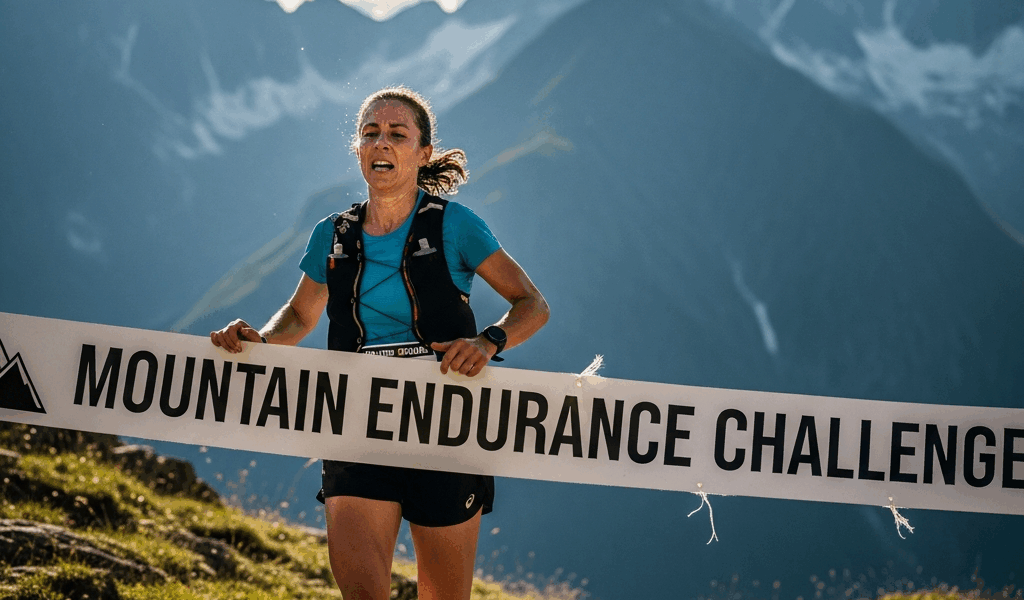
Trail racing has gotten more accessible and more expensive simultaneously — more destination races than ever, but entry fees, travel, and accommodation for the iconic ones can run $3,000–$5,000 before you’ve bought a single gel. As someone who has run several destination races and several local ones, I’ve learned that the best race experience isn’t always the most famous one, and some of the most worthwhile events in trail running aren’t on anyone’s bucket list. Here’s what I’d prioritize.
Western States Endurance Run — Auburn, California
The oldest 100-mile trail race in the world and still the most iconic. The course runs from Squaw Valley (now Palisades Tahoe) to Auburn, California along the Western States Trail through the Sierra Nevada. 18,000 feet of climbing, 23,000 feet of descent, 100 miles, and summer heat that regularly exceeds 100°F in the canyon sections. Entry is by lottery — demand far exceeds the 369 spots available annually.
The history of the race is genuinely compelling if you’re into the sport. That’s what makes Western States endearing to trail runners who’ve never entered — the race has a mythology that exceeds its distance, which is saying something given that the distance is 100 miles.
UTMB — Chamonix, France
Ultra-Trail du Mont-Blanc circles the Mont Blanc massif through France, Italy, and Switzerland. 106 miles, 33,000 feet of elevation gain, and a field of approximately 2,300 runners drawn by lottery from a worldwide applicant pool. The race village atmosphere in Chamonix during race week is unlike any other event in trail running.
UTMB has expanded into a race series with shorter companion races (CCC, OCC, TDS) that are more accessible for runners newer to the ultra distance. Getting UTMB qualification points through the associated race series has become a sport within the sport — and an expensive one, since each qualifier race typically involves a race entry fee plus travel.
Hardrock 100 — Silverton, Colorado
100 miles at an average elevation above 11,000 feet, with a course high point over 14,000 feet. Hardrock is considered one of the most technically demanding 100-mile races in North America because of the combination of altitude, remote terrain, and off-trail navigation. The cutoff is 48 hours. Entry is lottery with a preference system that rewards repeated applicants — I’m apparently not yet in the queue, but I plan to be.
Local Races Worth Seeking Out
The iconic destination races get all the attention, but some of the best trail race experiences are at smaller regional events. Things to look for: races on genuinely scenic and interesting terrain, well-organized aid stations, and a trail running community at the event that isn’t too precious about itself.
Spartan Trail races and local trail running clubs often organize regional events that are far more accessible than national destination races, equally beautiful in the right location, and dramatically less expensive. Running your local trails in a race environment — with support and timing and other people around — can be as compelling as a destination event once you’re competitive on course. I apparently needed to run my local 25K three times before I appreciated this.
Planning a Race Travel Trip
Destination trail races require early planning. Popular races sell out quickly; many are lottery-only with low acceptance rates. For international races, registration typically opens 9–12 months in advance. Factor in:
- Acclimatization time for high-altitude races — arriving 5–7 days early reduces the performance impact of altitude significantly
- Accommodation in race towns books out months in advance (Chamonix and Silverton both fill up fast)
- Crew and pacer logistics for 100-mile events — many international races have limited pacer allowances or specific rules
- Course preview runs in the days before the race to calibrate effort and preview terrain
Building Toward Your Target Race
Using smaller races as training runs is standard practice among serious trail runners. A 25K four weeks before a 50K provides a race simulation without the full recovery cost of an all-out effort. The best trail racing seasons are built with intention — a primary goal race, two or three supporting events earlier in the season, and races that build progressively in distance and challenge toward the target event. Showing up to a race you care about without having raced at all that year is a suboptimal strategy that I tried once and wouldn’t repeat.



Stay in the loop
Get the latest trail rise updates delivered to your inbox.