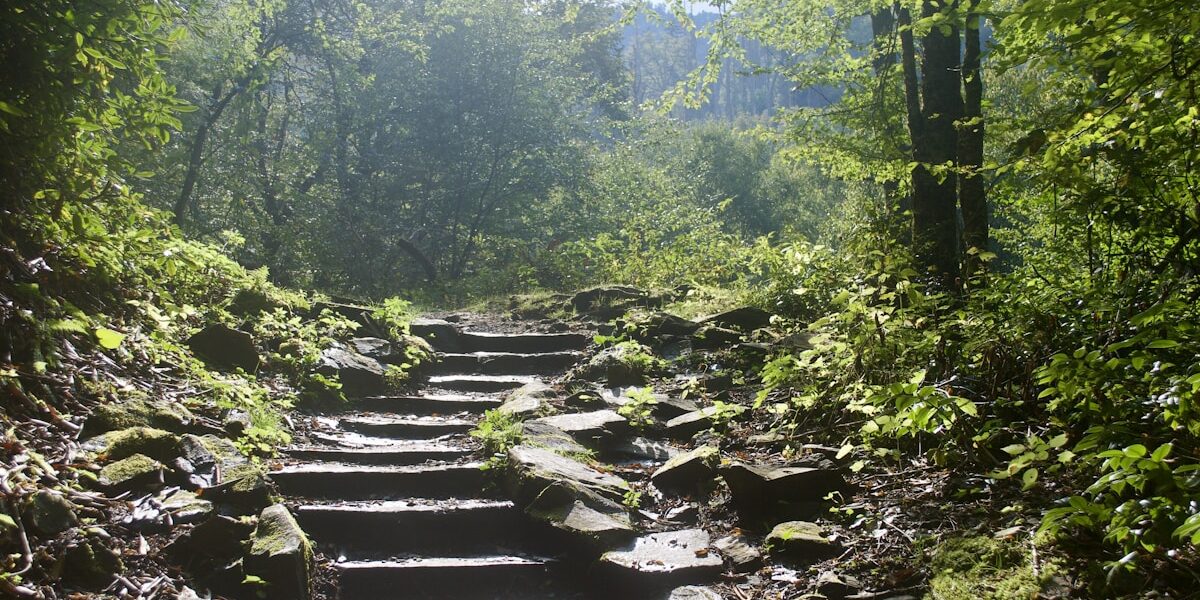
What does PNW mean in hiking has gotten complicated with all the abbreviations and trail jargon flying around. As someone who’s been hiking the Pacific Northwest for over eight years, I learned everything there is to know about this region and why hikers can’t stop talking about it. Let me break it down for you.
PNW stands for the Pacific Northwest — that gorgeous chunk of North America that includes Washington, Oregon, and often parts of Northern California, Idaho, and British Columbia. When hikers mention “PNW,” their eyes tend to light up, and honestly, I get it. I had the same reaction the first time I stood on a ridge in the Cascades and watched the clouds rolling through valleys below me like slow-motion rivers.
The hiking here is unlike anything else in the country, and I don’t say that lightly. Mount Rainier, Mount St. Helens, Mount Hood — each one of these peaks offers trails that range from “nice afternoon stroll” to “what have I gotten myself into.” I once attempted a day hike on Rainier that turned into a 14-hour sufferfest because I underestimated the elevation gain. Lesson learned. But the view from the top? Worth every blister.
That’s what makes PNW hiking endearing to us trail lovers — the sheer variety. You can hike through temperate rainforest in the morning, walk along a volcanic ridge at midday, and end your evening on a coastal cliff watching the sunset over the Pacific. The trail systems are incredible too. The Pacific Crest Trail threads through all three states, giving you everything from desert heat in Southern California to snowfields in Washington. But even smaller local trails deliver big experiences.
Climate-wise, the PNW keeps things interesting. The coast gets mild, wet winters and cool, dry summers. Head inland past the mountains, and suddenly you’re in high desert territory with hot summers and cold winters. This means the hiking season basically never ends — you just shift where you go. I’ve done winter hikes along the Oregon coast in January and alpine scrambles in the North Cascades in August. Both were fantastic, just very different kinds of fantastic.
Probably should have led with this section, honestly: the old-growth forests here are something else entirely. Walking among Douglas firs and red cedars that were alive before Columbus sailed is a humbling experience. These trees create a canopy so thick that the forest floor feels like another world — quiet, green, and ancient. The wildlife that calls these forests home is equally impressive, from elk and black bears to bald eagles circling overhead.
The PNW also has deep cultural roots that enrich the hiking experience. Many trails pass through land that holds significance to Indigenous peoples, and understanding that history adds layers to every step you take. The region’s hiking community is genuinely passionate about conservation and sustainability, which shows in how well-maintained most trails are.
So when someone drops “PNW” in a hiking conversation, they’re not just talking about a spot on the map. They’re talking about a hiking destination that offers everything — challenging peaks, peaceful forests, dramatic coastlines, and a climate that lets you hike nearly year-round. If you haven’t explored the Pacific Northwest yet, put it at the top of your list. You won’t regret it.
Related Articles
Continue exploring:


Leave a Reply