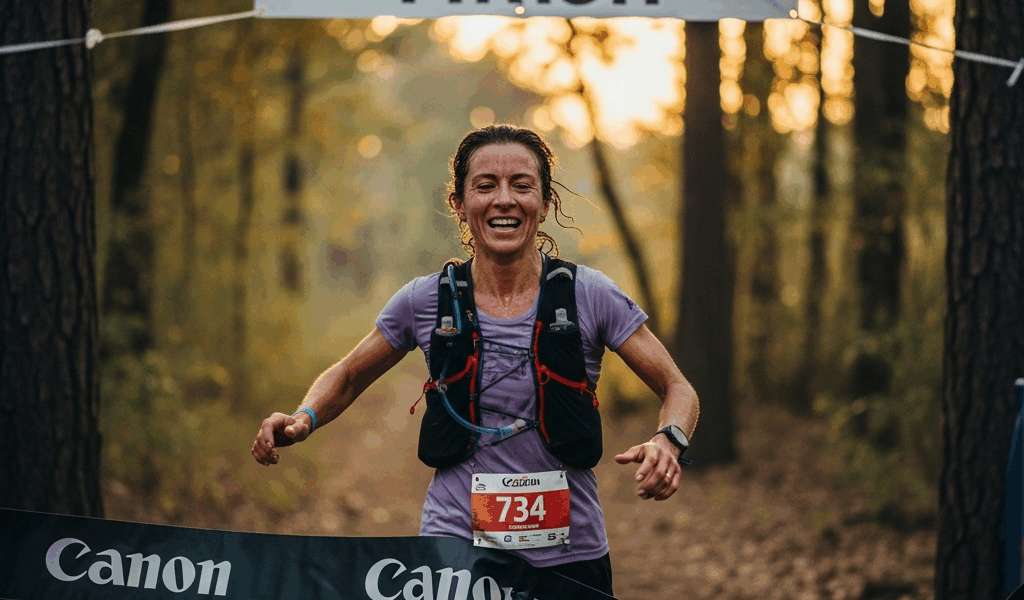
Running my first ultramarathon has gotten more romanticized in the retelling than the experience actually warranted. As someone who signed up with more confidence than preparation and finished with more humility than expected, I learned that ultramarathons are not harder versions of marathons — they’re a fundamentally different type of event that requires rebuilding several assumptions from scratch. Here’s what actually surprised me and what I’d tell someone considering their first one.
The Training Was Different Than I Expected
Road marathon training is largely about accumulating weekly mileage. Ultramarathon training on trails is about time on feet and elevation gain. The 50K I ran had 6,800 feet of climbing. My training had me running 50–55 miles per week on road with almost no elevation. When I started adding hill repeats and mountain trail runs, I discovered muscles I’d barely been using — hip flexors, glutes, calves — in ways that flat road running never demanded.
I also learned that running pace is nearly irrelevant in trail ultras. Power hiking steep climbs is faster than shuffling up them, burns less energy, and is what every experienced ultra runner does without embarrassment. Giving yourself permission to walk — not as failure but as deliberate strategy — is one of the fundamental mental shifts the sport requires. I’m apparently someone who took about 15 miles to fully accept this, which is about 13 miles longer than it should have taken.
Gear Matters More Than in Road Running
I ran road marathons in shorts, a shirt, and a hydration belt. For the 50K I needed a proper running vest with enough capacity for 2 liters of water, mandatory gear (emergency blanket, whistle, first aid kit), and food for 8+ hours. I also needed trail shoes with adequate lug depth for the soft, wet conditions on my race course.
The vest was the most impactful gear change. A well-fitted running vest eliminates bouncing and chafing, distributes weight evenly, and keeps your hands free. The difference in comfort over a 9-hour day compared to a hand-held bottle is significant in ways that compound as the hours accumulate. I spent $160 on a Salomon Sense Pro vest and would spend it again without hesitation. The only regret is not having it sooner in training.
Nutrition Strategy Was the Race
I didn’t really have a fueling strategy for my marathon. I took gels when I felt bad. In the 50K, running out of fuel isn’t just miserable — it means you’re not finishing. At 7+ hours of effort, your body will exhaust stored carbohydrate. The question isn’t whether you need to eat; it’s whether you’ll execute eating before the wheels come off.
The strategy that worked: 250–300 calories per hour starting at hour one, not hour three when I started to feel bad. Real food works better than gels at trail ultra intensities — dates, rice balls, peanut butter sandwiches, and potato chips all digest well when your effort level is slow enough. Aid stations are part of the race plan, not just water stops. Spending 3 extra minutes sitting down and eating real food at mile 25 was the right call. I almost didn’t stop.
The Wall Was Different
Marathon runners talk about hitting the wall around mile 20. In the 50K, my wall came at mile 28. My quads had been under eccentric load from descending for 8 hours and they were simply done. Every downhill step hurt. My breathing was fine — plenty of aerobic capacity left — but my legs weren’t receiving the signals correctly anymore.
The lesson I wish I’d learned before race day: ultra training must include significant downhill running to condition the quads for eccentric load under fatigue. I had climbed enough in training but hadn’t accumulated enough downhill mileage. Treadmill incline training builds climbing capacity effectively but does almost nothing for descending resilience. That’s probably the most useful technical thing I took away from the whole experience.
What the Finish Line Actually Felt Like
I expected the finish to feel triumphant. It mostly felt like relief, followed immediately by an extremely specific craving for salty potato chips and the inability to walk down stairs normally for four days. The emotional experience came later — the quiet satisfaction of having done something that required months of preparation and hours of uncomfortable forward motion to complete.
I signed up for the next one before the post-race soreness fully cleared. That probably tells you everything you need to know about whether it was worth doing.


Stay in the loop
Get the latest trail rise updates delivered to your inbox.