How to Plan a Weekend Hiking Trip
Weekend hiking trip planning has gotten complicated with all the gear checklists and trail recommendation algorithms flying around. As someone who plans weekend hiking trips almost every month, I learned everything there is to know about making the most of two days on the trail without overcomplicating it. Here is my straightforward guide.
Choosing the Right Trail
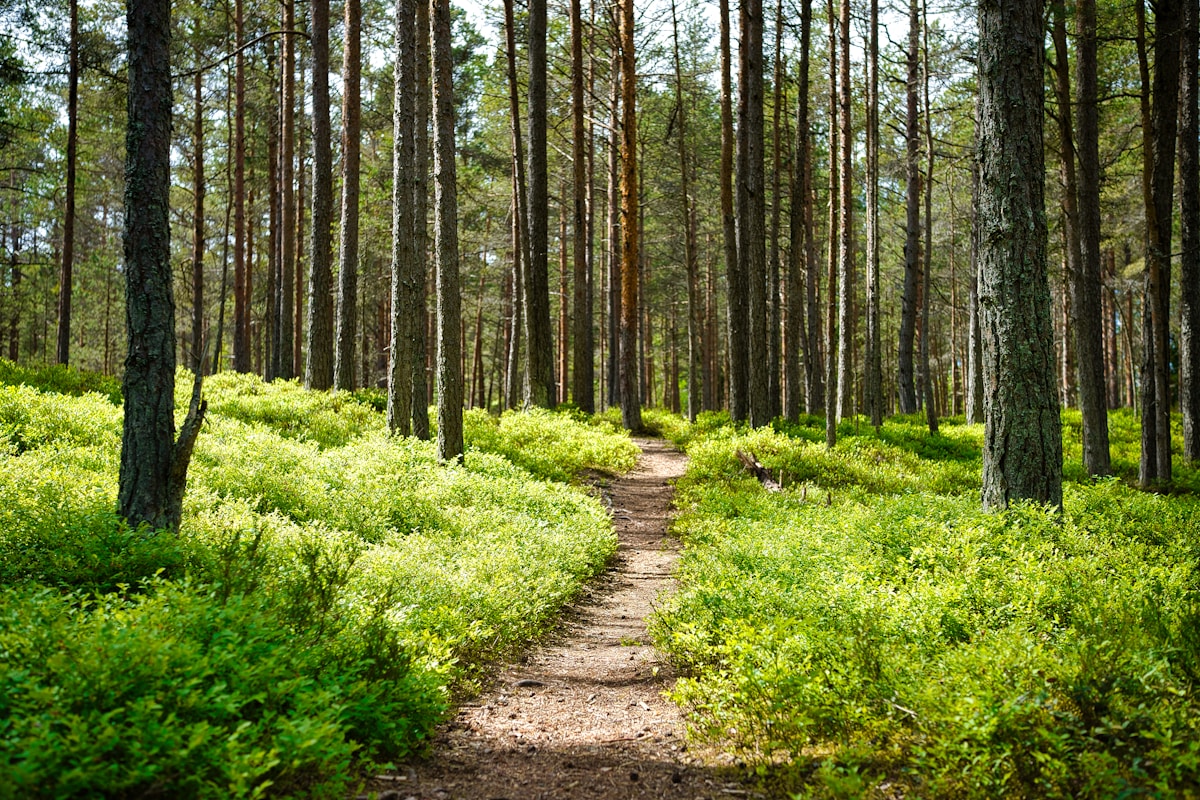
Start with a trail that fits your fitness level and your timeframe. Consider these factors:
- Length: For a weekend trip, 5 to 15 miles is a sweet spot. Long enough to feel like an adventure, short enough to enjoy without rushing.
- Difficulty: Assess elevation gain and terrain honestly. Beginners should stick to well-marked, moderate paths. Experienced hikers can push into steeper, rugged territory.
- Scenery: Check online reviews and maps for highlights — waterfalls, viewpoints, interesting geological features. I always look for a trail with at least one wow moment.
- Location: Choose something within a reasonable driving distance. You want to maximize hiking time, not spend your weekend in the car.
AllTrails, local hiking clubs, and national park websites are solid resources for finding the right trail.
Preparing Essential Gear
Pack smart and you will be comfortable all weekend. My core checklist:
- Footwear: Broken-in hiking boots or trail shoes. Never debut new footwear on a trip.
- Clothing: Layers for changing temperatures. Moisture-wicking materials and weather-appropriate outerwear.
- Backpack: Comfortable and well-fitted for your load.
- Navigation: Map, compass, or GPS. Do not rely solely on your phone.
- Hydration: Enough water for the duration. A hydration bladder makes sipping easy.
- Food: High-energy snacks and meals that are easy to prepare on the trail.
- Safety Gear: First aid kit, whistle, multi-tool, emergency blanket.
- Lighting: Headlamp with extra batteries for early mornings and late evenings.
- Sun Protection: Sunglasses, sunscreen, and a hat. UV exposure adds up fast outdoors.
Checking Weather and Trail Conditions
That is what makes weather checking endearing to us regular hikers — it separates good trips from miserable ones. Check forecasts a few days ahead and adjust your gear accordingly.
- Temperature: Plan clothing layers for predicted highs and lows.
- Precipitation: Pack rain gear even if rain is only possible.
- Wind: Strong winds affect comfort and safety, especially above treeline.
- Sunrise and Sunset: Plan your hiking schedule to avoid being caught in darkness unprepared.
Check trail conditions on park websites or hiking forums. Note closures, permit requirements, or hazards reported by recent hikers. I got turned back on a weekend trip once because a bridge was washed out — a five-minute check of the park website would have saved me two hours of driving.
Planning Your Route
Study your trail map carefully. Identify your starting point, major landmarks, and potential campsites. Build a timeline estimating hiking pace and rest breaks. Download offline maps for areas with limited cell service — I do this for every trip.
Informing Others About Your Plans
Probably should have led with this section, honestly. Share your route, expected return time, and how to reach you with someone who is not coming along. This simple step is crucial in case of emergency. I text a photo of my route plan to a friend before every trip.
Leave No Trace Principles
Hiking responsibly preserves trails for everyone. Follow these principles:
- Plan Ahead and Prepare
- Travel and Camp on Durable Surfaces
- Dispose of Waste Properly
- Leave What You Find
- Minimize Campfire Impact
- Respect Wildlife
- Be Considerate of Other Visitors
Food and Water Planning
Plan meals that are lightweight and easy to prepare. Good options include:
- Dehydrated meals
- Trail mix
- Instant noodles
- Energy bars
- Nuts and dried fruits
Bring purification tablets or a portable filter if your trail has natural water sources. Clean water is non-negotiable.
First Aid and Emergency Preparedness
Customize a compact first aid kit with:
- Bandages and gauze
- Antiseptic wipes
- Blister treatment
- Pain relievers
- Allergy medication
Learn basic first aid before your trip. Know emergency signals and local emergency contacts. Preparation prevents minor issues from becoming serious problems.
Setting up Camp
Choose durable ground away from water sources. Find a flat, sheltered spot for your tent. Use a sleeping pad for comfort and insulation. Store food securely to avoid attracting wildlife — bear canisters or hanging bags depending on the area.
Enjoying the Journey
Take regular breaks to rest, hydrate, and actually look around. Observe the scenery and appreciate where you are. Capture photos but stay present. Practice mindfulness and enjoy the simplicity of being outdoors.
With solid planning and the right preparation, your weekend hiking trip will be both enjoyable and memorable. Keep it simple, stay safe, and let the trail do what it does best — give you exactly the break you need.
Related Articles
Continue exploring: