How to Prepare for a Solo Trek
Solo trek preparation has gotten complicated with all the fear-mongering articles and overcautious advice flying around. As someone who has completed multiple solo treks in remote wilderness, I learned everything there is to know about preparing properly so you can enjoy the experience instead of worrying through it. Here is what actually matters.
Research Your Route
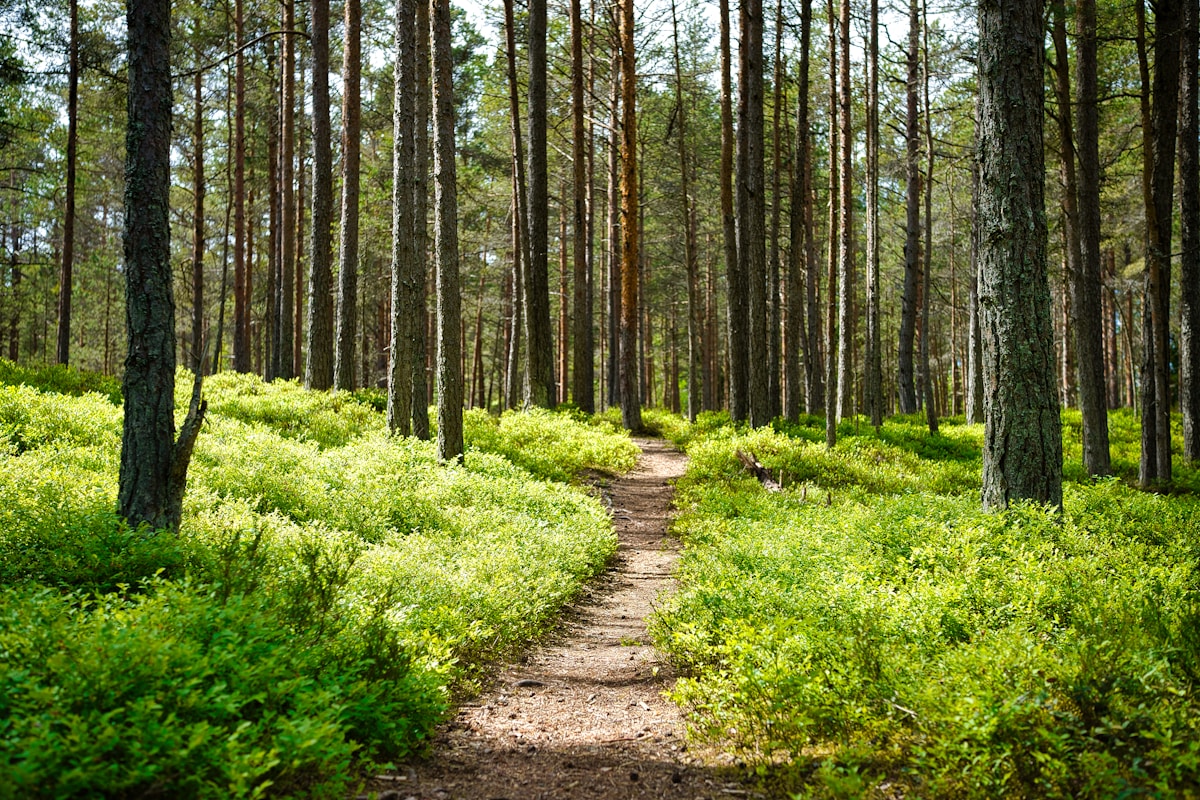
Start by learning everything about where you are going. Detailed maps, route descriptions, permit requirements, terrain analysis, weather patterns, potential hazards — absorb it all. I read trail blogs, check forums, and study satellite imagery before every solo trip. Mark water sources on your map because running dry when you are alone is a situation you want to avoid entirely.
Identify potential camping spots and bail-out points. Knowing your escape routes gives you confidence and provides critical safety options if conditions change.
Physical Preparation
Build stamina through regular exercise. Cardio like running or cycling builds your engine. Strength training protects your joints and helps with loaded hiking. I do training hikes with a weighted pack to simulate actual conditions — it reveals weaknesses you would not discover otherwise.
Do not skip flexibility work. Regular stretching and yoga prevent injuries that could strand you when there is nobody around to help. Practice hiking on varied terrain so your body is ready for whatever the trail throws at you.
Choosing Gear
That is what makes gear selection endearing to us solo trekkers — every item has to earn its place in your pack because there is no one to borrow from. Your backpack needs enough capacity for essentials without being so heavy it exhausts you. Fit is crucial — an ill-fitting pack causes back and shoulder pain that compounds over days.
Footwear needs to provide support and comfort. Break in new boots before your trek. Layer your clothing system: moisture-wicking base, insulating mid-layer, waterproof outer shell.
Essential items:
- Map and compass or GPS device
- Headlamp with extra batteries
- First aid kit
- Multi-tool or knife
- Firestarting tools
- Emergency shelter
- Water purification system
- High-energy snacks
Navigation and Safety
Probably should have led with this section, honestly. Navigation skills are non-negotiable for solo trekking. Practice reading maps and using a compass in familiar areas before heading out alone. Bring a portable charger for electronic devices.
Tell someone your exact route and expected return time. Check in regularly if possible. A personal locator beacon or satellite messenger is essential solo gear — not optional. I carry a Garmin InReach on every solo trip.
Learn about local wildlife, safe food storage practices, and how to handle encounters. Understanding local plants helps you identify both resources and threats.
Food and Water
Plan meals and snacks carefully. Lightweight, high-calorie foods — dehydrated meals, nuts, energy bars — are the backbone of solo trek nutrition. Calculate daily calorie needs based on trek intensity and add a buffer.
Carry a water bladder or bottles and always have a purification method. Filter, tablets, or UV purifier — pick what works for you and carry a backup method. Monitor your intake because dehydration is a real risk when you are focused on the trail and have nobody reminding you to drink.
Practice Setting Up Camp
Practice your tent setup and stove operation before the trek. On the trail, you want these tasks to be automatic, especially if you arrive at camp tired or in bad weather. Know how to set up in the dark — it happens more often than you would think.
In bear country, learn to hang a bear bag or use a bear canister. Keeping food away from your sleeping area is critical for safety when you are sleeping alone in the backcountry.
Final Preparations
Double-check your gear list. Test everything. Ensure sufficient clothing, food, and emergency supplies. Pack your backpack thoughtfully, balancing weight for comfort on long days.
Rest well before departure. Mental preparation matters as much as physical — solo trekking has quiet moments that can be challenging if you are not ready for them. Visualize the trek, anticipate challenges, and build a positive mindset. With proper preparation, solo trekking is one of the most rewarding things you can do outdoors.
Related Articles
Continue exploring: