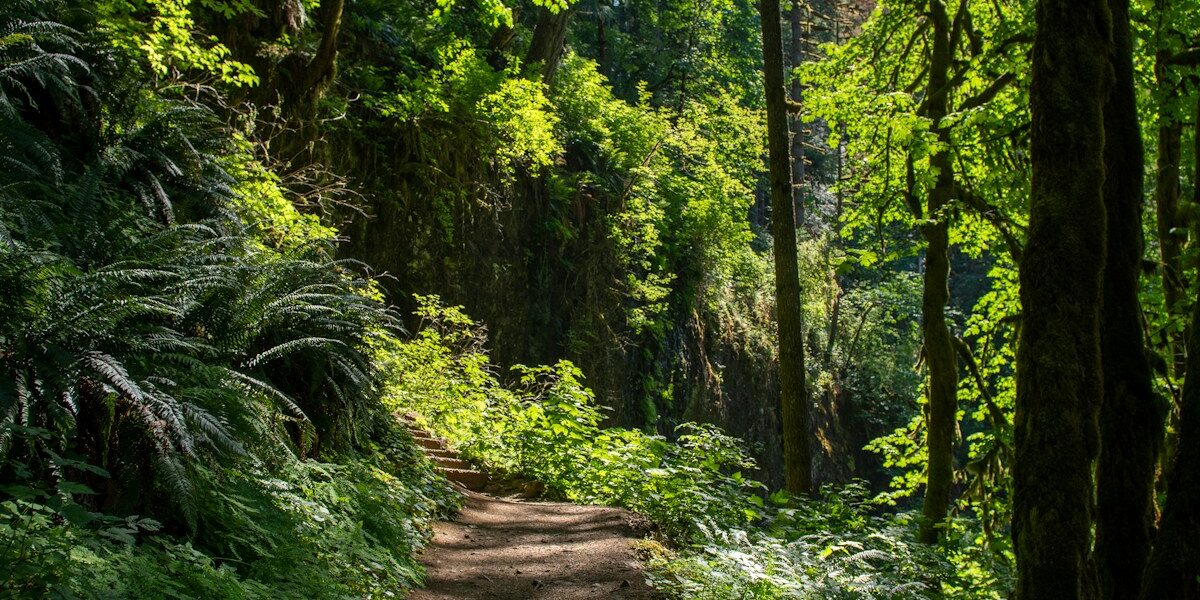
If you want a more adventurous year, try one activity on land, one on water, and one that teaches movement on rock: hiking, recreational paddling, and indoor climbing. Each can start at a beginner level, develop over time, and lead to very different outdoor experiences. The smart first goal is not intensity; it is a safe, enjoyable session that makes you want to return.
Quick comparison
| Activity | Good first setting | Primary skills | Main planning variable |
|---|---|---|---|
| Hiking | Short, well-marked local trail | Pacing, navigation, weather and terrain awareness | Distance, elevation, exposure, and conditions |
| Recreational paddling | Guided outing or calm protected water | Boat control, balance, capsize response, water judgment | Wind, current, water temperature, and boat traffic |
| Indoor climbing | Climbing gym orientation or beginner class | Footwork, body position, communication, fall systems | Qualified instruction and correct equipment use |
1. Hiking: the easiest adventure to begin
Hiking scales from a one-mile nature path to a multi-day backcountry route. It teaches route selection, pacing, layering, observation, and the difference between map distance and real effort. Start close to home on a maintained trail with clear information and a turnaround time.
Choose the first route
- Pick a distance and elevation gain comfortably below your maximum.
- Check the managing agency’s current trail, road, weather, fire, and wildlife alerts.
- Consider surface, shade, altitude, water crossings, exposure, and daylight—not mileage alone.
- Download or carry an offline map and know the route junctions.
- Leave a trip plan with a person who is not on the hike.
The National Park Service recommends choosing a trail everyone in the group can complete, checking alerts and weather, carrying essentials, creating an emergency plan, and not relying on cellular coverage. Turn around when conditions, time, or a person’s condition no longer match the plan.
Starter kit
Wear weather-appropriate layers and footwear with traction. Carry water, food, navigation, sun protection, insulation, rain protection, a light, first aid, emergency signaling, and any personal medication appropriate to the route. Exact needs vary with place and season.
Once the basics feel routine, use our guide to choosing a hiking route for your skill level.
2. Recreational paddling: learn a landscape from the water
A canoe, kayak, or stand-up paddleboard changes how you experience shorelines, wetlands, and lakes. It also adds hazards that a calm day can hide: cold water, wind, current, waves, strainers, motor traffic, limited landing points, and the consequences of separation from the craft.
Make the first outing instructional
Rent from a reputable operator or take a beginner class on protected water. Learn how the craft fits, how to hold and use the paddle, how to launch and land, how to turn and stop, what to do after a capsize, and how to stay with the boat. Wear a correctly fitted, activity-appropriate personal flotation device rather than merely carrying one.
Conditions matter more than distance
- Check wind direction and forecast, water temperature, current or tide, storms, and local closures.
- Use a route with easy landings and a conservative turnaround point.
- Dress for immersion risk, not just air temperature.
- Keep essential communication and emergency items secured and protected from water.
- Avoid moving water, surf, offshore wind, remote coastlines, and heavy boat traffic until trained for them.
Do not transfer flat-water confidence automatically to rivers or sea kayaking. Those environments require additional rescue, navigation, and hazard skills.
3. Indoor climbing: build movement and judgment before going outside
Climbing combines problem-solving, balance, strength, and trust in a safety system. A climbing gym gives a beginner controlled routes, rental equipment, staff orientation, and a place to learn vocabulary and procedures before considering outdoor rock.
Bouldering or roped climbing?
Bouldering uses shorter walls and padded floors but still involves falls; learn how to descend and fall under facility instruction. Top-rope climbing uses a rope and belay system. It requires correct harness use, knots or attachment, partner checks, commands, and belay competence. Follow the gym’s training and certification rules.
A good first-session goal
- Complete the orientation and ask staff to check equipment.
- Practice quiet foot placement and balanced positions instead of pulling hard with the arms.
- Rest before technique deteriorates.
- Stop for pain, dizziness, damaged equipment, or uncertainty about the system.
- Learn several easy routes rather than chasing one difficult grade.
Outdoor climbing adds anchors, rockfall, weather, approach hazards, access rules, route finding, rescue limits, and environmental impact. Transition through qualified instruction or experienced, safety-focused mentorship; indoor belay approval alone is not an outdoor climbing qualification.
How to choose your first activity
- Choose hiking if you want the lowest logistical barrier and enjoy steady movement and route discovery.
- Choose paddling if you want to explore water and are willing to learn immersion and condition judgment.
- Choose indoor climbing if skill practice, problem-solving, and short social sessions appeal to you.
Accessibility, health, swimming ability, location, weather, instruction, and budget should shape the choice. Adapted programs and equipment can make all three activities available to more people; contact local providers about specific support rather than assuming a limitation rules an activity out.
A four-week beginner plan
- Choose one activity and a reputable local venue, managing agency, outfitter, or instructor.
- Learn the activity’s emergency basics and inspect or rent appropriate equipment.
- Complete one conservative first session and write down what felt difficult or unclear.
- Repeat at a similar level before increasing only one variable—time, distance, technical difficulty, or conditions.
Shared outdoor principles
Tell someone the plan, check current conditions, know the group’s limits, carry appropriate essentials, follow closures and local rules, respect wildlife and other visitors, and avoid damaging routes, shores, or climbing areas. Skill grows through repeatable decisions, not through surviving an oversized first objective.


Stay in the loop
Get the latest trail rise updates delivered to your inbox.